Career Guidance
Distance Education vs Regular Education: Which One Is Right for You?
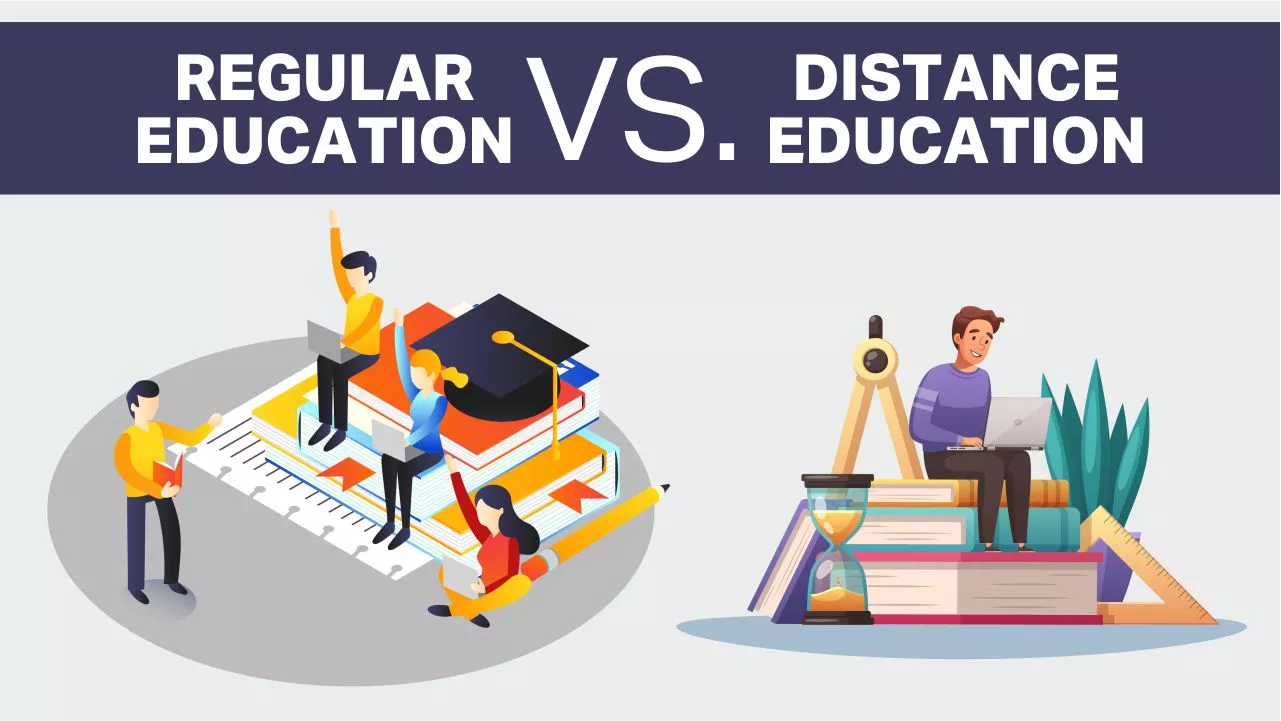
Distance Education vs Regular Education: Which One Is Right for You?
Choosing the right type of education is an important decision for students planning their academic and professional future. Today, students have several options beyond traditional classroom education. Two popular choices are regular education and distance education.
Regular education involves attending classes at a college or university according to a fixed schedule. Distance education, on the other hand, provides a more flexible learning structure where students can study without attending traditional classroom sessions every day.
Both options have their own advantages. The right choice depends on your educational goals, schedule, learning style, career plans, and personal responsibilities.
In this blog, we will compare distance education and regular education to help you understand the differences and choose an option that suits your needs.
What Is Regular Education?
Regular education is the traditional form of education where students attend classes at a college, university, or educational institution.
Students generally follow a fixed timetable and attend lectures conducted by teachers. They have opportunities for face-to-face interaction with teachers and classmates.
Regular education may also include classroom discussions, practical sessions, campus activities, presentations, projects, and other academic activities depending on the course.
This type of education can be suitable for students who prefer a structured learning environment and regular interaction with teachers and other students.
What Is Distance Education?
Distance education is a learning method where students do not generally need to attend traditional classroom sessions on a daily basis.
Instead, students use the learning resources and academic support provided by their university or institution. These may include study materials, digital resources, online platforms, assignments, academic guidance, and examinations.
The exact structure depends on the university and program.
Distance education is particularly useful for students and professionals who need flexibility because of work, location, business, family responsibilities, or other commitments.
Key Difference Between Distance and Regular Education
The biggest difference between the two methods is the learning structure.
Regular education usually requires students to attend classes at a physical location according to a fixed timetable.
Distance education provides a more flexible learning model and generally does not require daily classroom attendance.
However, this does not mean distance education has no academic requirements. Students still need to follow the rules of their selected university and complete assignments, examinations, and other requirements applicable to their program.
Flexibility
Flexibility is one of the most important differences.
Regular education follows a structured timetable. Students need to be available at specific times for classes and other academic activities.
Distance education can provide greater flexibility in managing study time. Students can often plan their learning around work and personal responsibilities, depending on the requirements of their course.
For students with busy schedules, this flexibility can be a major advantage.
Learning Environment
Regular education provides a classroom environment where students can interact directly with teachers and classmates.
Students can ask questions during lectures, participate in classroom discussions, and communicate with other learners.
Distance education requires students to be more independent. They may use study materials, digital resources, and other academic support provided by their institution.
Students who are comfortable with self-study may find this learning method suitable.
Study While Working
For working professionals, regular education can sometimes be difficult because of fixed class schedules.
Distance education can provide an opportunity to continue studying while working, depending on the course requirements.
A working professional may pursue a suitable undergraduate or postgraduate program without completely leaving their current employment.
This can make distance education an attractive option for people who want to improve their qualifications while maintaining their professional responsibilities.
Travel and Location
Regular students generally need to travel to their college or university for classes.
For students who live far away from their preferred institution, daily travel can require significant time and effort.
Distance education can reduce the need for regular commuting. Students can study from a convenient location according to the structure of their program.
This can be especially useful for learners who cannot relocate to another city for education.
Interaction With Teachers
Regular education generally provides more direct face-to-face interaction with teachers.
Students can discuss questions during or after classes and receive immediate classroom guidance.
Distance education uses the academic support methods provided by the institution. Depending on the program, this may include online communication, study resources, counselling, or other support systems.
Students considering distance education should understand how academic support is provided by their specific university and course.
Cost and Expenses
The overall cost of education varies depending on the university, course, location, and other factors.
Regular education can involve additional expenses such as daily transportation, accommodation, food, campus-related expenses, and other costs.
Distance education may reduce some of these expenses because students generally do not need to travel to campus every day.
However, students should compare the complete fee structure and other applicable charges before choosing a program.
Course Options
Both regular and distance education can provide access to different academic fields.
Depending on the institution and university, students may find programs in commerce, management, computer applications, arts, science, and postgraduate studies.
Jnanasiri Educational Institute lists several undergraduate and postgraduate programs on its website, including B.Com, BBA, BCA, BA, B.Sc, MBA, M.Com, MA and M.Sc, among other programs.
Students should check the availability, eligibility, duration, fees, and applicable recognition of the specific program before taking admission.
Who Should Choose Regular Education?
Regular education can be a good option for students who:
Prefer classroom-based learning.
Want regular face-to-face interaction with teachers.
Enjoy campus life and student activities.
Prefer a fixed study schedule.
Want frequent interaction with classmates.
Need a structured learning environment.
For students who have the time and opportunity to attend college regularly, this traditional approach can provide a structured academic experience.
Who Should Consider Distance Education?
Distance education may be worth considering for students who:
Are working while studying.
Run a business.
Have family or personal responsibilities.
Live far from their preferred educational institution.
Need a flexible study schedule.
Want to continue their education after a study gap.
Prefer independent learning.
However, suitability depends on the individual student and the requirements of the selected program.
Advantages of Regular Education
Regular education provides several benefits.
Students can interact directly with teachers and classmates. They can participate in classroom discussions and campus activities.
A fixed timetable can also help students maintain a consistent study routine.
For students who prefer learning through direct classroom interaction, regular education can be a comfortable choice.
Advantages of Distance Education
Distance education also offers several benefits.
The main advantage is flexibility. Students can manage their studies alongside work and other responsibilities.
It can also reduce daily travel requirements and provide opportunities for learners who cannot relocate for regular education.
Distance education can be particularly useful for working professionals and people who need a flexible academic schedule.
Which Is Better: Distance or Regular Education?
There is no single answer to this question.
Regular education may be better for someone who prefers classroom learning, campus interaction, and a fixed academic routine.
Distance education may be more suitable for someone who needs flexibility because of work, business, location, or personal responsibilities.
Instead of asking which method is universally better, students should ask which method is better for their individual situation.
Important Things to Check Before Choosing Distance Education
Students should conduct proper research before enrolling in a distance education program.
Check the university and specific program details.
Understand the eligibility requirements.
Verify the applicable recognition and approvals of the specific program.
Check the course duration and subjects.
Understand the examination system.
Ask about assignments and academic requirements.
Check the complete fee structure.
Understand the available student support.
These checks can help students make a more informed decision.
Frequently Asked Questions
Is distance education better than regular education?
Neither option is automatically better. The right choice depends on the student's schedule, learning preferences, career goals, and personal circumstances.
Can I work while studying through distance education?
Many distance programs provide flexibility that can make studying while working possible. However, students should check the specific academic requirements of their selected program.
Does distance education require attending classes every day?
Distance education generally does not follow the same daily classroom structure as regular education. However, specific requirements can vary by university and program.
Which is better for working professionals?
Distance education can be a practical option for working professionals because of its flexible learning structure.
Can distance education help with career development?
A relevant and properly recognised qualification can contribute to academic and career development. However, career growth also depends on skills, experience, performance, and industry requirements.
How should I choose between distance and regular education?
Consider your schedule, preferred learning style, career goals, financial situation, location, and the requirements of the specific course before making a decision.
Conclusion
Distance education and regular education are two different approaches to academic learning. Regular education provides a structured classroom environment with regular face-to-face interaction, while distance education offers greater flexibility for learners who cannot follow a traditional daily schedule.
Students who enjoy classroom learning and have the time to attend college regularly may prefer regular education. Working professionals, entrepreneurs, and students with other responsibilities may find distance education more convenient.
The most important step is to choose a course based on your individual needs rather than simply following what others choose.
Before taking admission, always check the university, specific program, eligibility requirements, course structure, fees, examination system, and applicable recognition.
With proper research and planning, students can choose an educational pathway that supports both their current situation and their long-term career goals.
Back to Blog


