Career Guidance
How Does Distance Education Work? A Complete Guide

How Does Distance Education Work? A Complete Guide
Education has become more flexible with the development of distance and digital learning. Students no longer have to depend only on traditional classroom education to continue their academic journey. Distance education provides an alternative learning method for students and working professionals who need more flexibility in their schedules.
But how exactly does distance education work? What happens after admission? How do students receive study materials? How are assignments completed? What about examinations?
Understanding the complete process can help students make a better decision before choosing a distance education program.
What Is Distance Education?
Distance education is a method of learning where students and teachers do not need to be physically present in the same classroom for regular daily teaching.
Students study through the learning resources and academic support provided by their university or institution. Depending on the program, this may include printed study materials, online resources, digital learning platforms, assignments, academic guidance, and examinations.
The exact learning system can differ between universities and courses. Therefore, students should always understand the specific requirements of the program they want to join.
How Does Distance Education Work?
The distance education process generally starts with selecting a suitable course and completing the admission process. Once admission is confirmed, students receive information about their course, study materials, academic requirements, assignments, examinations, and other important details.
The complete process can generally be understood through the following stages.
Choosing the Right Course
The first step is to select a course according to your educational qualification, interests, and career goals.
Students can explore undergraduate, postgraduate, diploma, and other programs depending on their eligibility.
For example, students may be interested in commerce, management, computer applications, arts, science, or postgraduate programs.
Jnanasiri Educational Institute lists various programs on its website, including B.Com, BBA, BCA, BA, B.Sc, MBA, M.Com, MA and M.Sc, among other courses.
Before choosing a course, students should understand the subjects, duration, eligibility, fees, and career relevance of the program.
Checking Eligibility
Every academic program has its own eligibility requirements.
Students should check their previous qualification and other requirements before applying.
For example, undergraduate programs generally require completion of the relevant school-level qualification, while postgraduate programs usually require an appropriate bachelor's degree.
Eligibility can vary depending on the university and course, so students should confirm the current requirements before admission.
Completing the Admission Process
After selecting a suitable program and confirming eligibility, students can proceed with the admission process.
The application generally requires personal and academic information along with relevant documents.
Students should enter all information carefully and make sure that the documents submitted are accurate and valid.
Jnanasiri provides admission guidance for students exploring distance and correspondence education programs through its partner universities.
Admission Confirmation
After the application and required documents are processed, students receive information regarding their admission status according to the procedure followed by the relevant university.
Once admission is confirmed, students can proceed with their academic activities.
At this stage, students should carefully save important admission information, receipts, enrolment details, and other documents provided by the institution.
Receiving Study Materials
One of the important parts of distance education is access to study materials.
Depending on the program, students may receive printed books, digital materials, online resources, or access to an online learning platform.
These materials are intended to help students understand the subjects and prepare for academic assessments and examinations.
Students should organize their study materials properly and create a regular study routine.
Self-Study and Learning
Distance education requires students to take greater responsibility for their own learning.
Instead of attending a classroom every day, students generally need to study independently using the resources provided by their university or institution.
This requires discipline and time management.
A student can create a weekly schedule and divide the syllabus into manageable sections.
For example, a student studying five subjects can dedicate specific days or hours to each subject.
Assignments and Academic Activities
Depending on the program, students may need to complete assignments or other academic activities.
Assignments can help students understand their subjects and apply the knowledge they have gained through their study materials.
Students should check assignment instructions carefully and submit their work within the required deadlines.
Missing academic deadlines can create unnecessary difficulties, so maintaining a calendar or reminder system can be helpful.
Examinations
Examinations are an important part of most academic programs.
The examination system can vary depending on the university and course. Students should understand the examination schedule, registration process, eligibility requirements, and other rules applicable to their program.
Students should begin examination preparation well in advance instead of waiting until the final few weeks.
Regular revision and practice can make exam preparation more manageable.
Academic Support
Although distance education involves independent learning, students may still receive academic and administrative support.
Depending on the institution and program, support may be available for areas such as admission, documentation, course information, assignments, examinations, and other academic requirements.
Students should contact the appropriate support team whenever they need clarification.
Why Is Distance Education Flexible?
Flexibility is one of the main reasons students choose distance education.
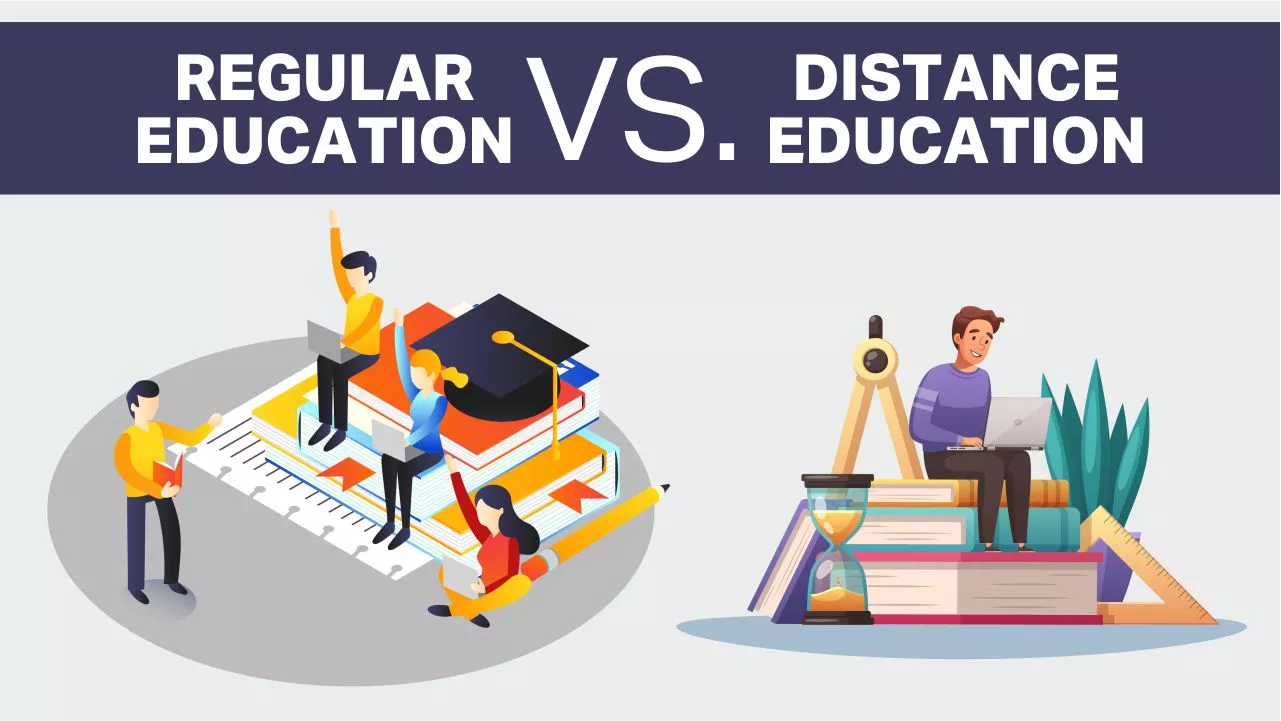
In regular education, students generally have to follow a fixed timetable and attend classes at a particular location.
Distance education can allow students to organize their study time around their existing responsibilities.
For example, a working professional can study after work or during available free time. An entrepreneur can plan study hours around business activities.
However, flexibility does not mean that students can ignore deadlines or academic requirements. Successful distance learning still requires consistency and discipline.
Who Can Benefit From Distance Education?
Distance education can be useful for several types of learners.
Working professionals can consider distance education if they want to pursue another qualification while continuing their jobs.
Entrepreneurs and business owners may also prefer flexible learning because of their demanding schedules.
Students living far from educational institutions can explore distance programs instead of relocating for regular education.
Learners who have taken an education gap may also explore suitable programs according to their eligibility.
Benefits of Distance Education
Distance education provides several potential benefits.
Flexible study schedules can make it easier to balance education with other responsibilities.
Reduced daily travel can save time and effort.
Students may be able to continue working while studying.
Learners can explore different academic programs depending on availability.
It can also provide an opportunity for eligible students to continue their education when regular classroom learning is difficult.
However, the benefits depend on the specific program and the student's ability to manage independent learning.
Tips for Successful Distance Learning
Create a fixed study routine and follow it consistently.
Keep all study materials organized.
Make notes while studying.
Set reminders for assignment and examination deadlines.
Start exam preparation early.
Avoid depending entirely on last-minute study.
Use available academic resources.
Ask for clarification whenever you are unsure about an academic requirement.
Most importantly, remain consistent throughout the course.
Things to Check Before Admission
Before joining any distance education program, students should conduct proper research.
Check the university and the exact program being offered.
Understand the eligibility requirements.
Verify the applicable recognition and approvals for the specific program.
Check the course duration and subjects.
Understand the examination process.
Ask about assignments and other academic requirements.
Check the complete fee structure.
Understand how student support is provided.
These checks can help students avoid confusion and make an informed decision.
Frequently Asked Questions
How does distance education work?
Distance education allows students to study without attending traditional classroom sessions every day. Students use the study materials and academic resources provided by their university and complete the required academic activities and examinations.
Do distance education students receive study materials?
Depending on the university and program, students may receive printed or digital study materials and access to online learning resources.
Are examinations required in distance education?
Most academic programs include examinations, but the exact examination system depends on the university and course.
Can I work while studying through distance education?
Distance education can provide flexibility that may allow eligible students to work while studying. Students should still follow all academic requirements of their program.
Is distance education suitable for everyone?
Not necessarily. Students who prefer independent learning and need flexibility may find it suitable, while students who strongly prefer daily classroom interaction may prefer regular education.
How should I prepare for distance education?
Create a study schedule, organize your learning materials, track deadlines, and start preparing for examinations early.
Conclusion
Distance education works by providing students with a flexible learning structure that does not depend on regular daily classroom attendance.
From selecting a course and completing admission to studying materials, submitting assignments, preparing for examinations, and completing the program, students are responsible for managing their academic journey while receiving support according to the structure of their university and course.
Jnanasiri Educational Institute provides guidance for students exploring distance and correspondence education programs through its partner universities. Students can explore available courses and understand their admission requirements before choosing a program.
The most important thing is to research carefully before admission. Check the university, specific program, eligibility, fees, course structure, examination requirements, and applicable recognition.
With proper planning, regular study, and consistent effort, distance education can provide a flexible pathway for students and working professionals who want to continue their education.
Back to Blog